


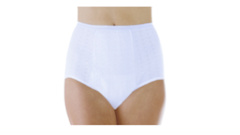
At my 50th, I was cracking jokes about incontinence underwear. By my 60th, the joke was on me. I’d gone from laughing to quietly sneaking into my mother’s stash of specialty undies before those unpredictable subway rides, where delays or emergency stops could turn a normal commute into a pee-soaked nightmare. If you’ve ever felt that dreaded urge strike at the worst possible moment — on a bus, in the grocery store or just two blocks from home — you know exactly what I mean.
Quick Overview


When incontinence — the inability to control the release of urine — or even the fear of it creeps into your life, know that you’re far from alone. “Incontinence is the most common pelvic floor disorder, affecting 63% of adult women,” explains urogynecologist Samantha Pulliam, chief medical officer at Axena Health. And the risk increases with age, with up to 75% of women over 65 experiencing some form of urinary leakage.
While multiple factors like stress, postpartum changes or aging can lead to urinary incontinence, getting an accurate diagnosis from a specialist is crucial. “Because incontinence is a progressive disorder that can get worse over time, early intervention often leads to better outcomes,” explains Pulliam. Treatment options typically begin with expert-guided pelvic floor exercises, sometimes combined with medication. While incontinence products can help manage symptoms and reduce anxiety about leaks, Pulliam emphasizes they should be part of a broader treatment plan, not your sole solution. Relying on incontinence underwear without a diagnosis and expert guidance can keep you from addressing an underlying issue.
Advertisement
Advertisement
However, incontinence underwear can be invaluable, providing both physical and psychological support. The protection incontinence products provide has helped millions of women, including me, continue to engage in social activities and lead active lives confidently, as studies have shown.
Experts agree that the best incontinence products vary based on the severity of your condition. Panty liners or pads work well for light, occasional leakage. Adult diapers may be recommended for severe incontinence, especially overnight. But what about those of us in between? That’s where new and improved incontinence underwear — reusable and disposable — comes in. But with the growing number of claims and choices, how do you know what’s best for you?
We thoroughly researched the incontinence underwear market, spoke to four experts in the fields of gynecology and urology and tested eight products to determine the three best incontinence underwear choices of 2025. Here’s what we found.
Best overall incontinence underwear for women
More incontinence underwear for women we like for 2025
How we chose the best incontinence underwear for women
To help you find the right incontinence underwear, our team conducted extensive research, consulting with medical experts, including ob-gyns, urogynecologists, urologists and home health aides. We also tested and reviewed eight different products firsthand to understand their pros, cons and nuances, evaluating everything from absorbency and comfort to odor-protection and practicality. Also, as someone who experiences occasional incontinence postmenopause — and has helped loved ones navigate similar needs — I brought personal understanding to this testing process.
Other products we tested
Not every product we tested made our best-of list, but they may have features that could work for your specific needs or preferences. Here’s a look at the other incontinence underwear we tested.
Advertisement
Advertisement
Knix Super Leakproof Underwear is the lightest, sleekest and most comfortable option we tested, but it didn’t live up to its claims for incontinence (or period) protection. While it prevents leaks, it doesn’t absorb well. Even with very light incontinence, testers reported feeling damp.
Thinx Leak-Absorbent Underwear comes in various styles and colors, and might work for very light incontinence. However, it didn’t keep our testers completely dry or odor-free, falling short of what most people with incontinence need.
Depend Night Defense and Depend Fresh Protection are highly absorbent disposable options, but they didn’t match the overall performance of Tena, our top pick for disposable underwear. But Depend products are affordable, widely available at most drugstores and a dependable choice for many. Our testers especially like the blush color and slim profile, which offers good absorption for five to eight hours.
Amazon Basics Women’s Protective Underwear offers good absorbency, comfort and value. While it didn’t match Tena’s performance, its inclusive sizing and excellent odor control make it our second choice for disposable incontinence underwear.
FAQs
How does incontinence underwear work?
Incontinence underwear uses an absorbent core that quickly captures and locks away liquids, preventing leaks. The moisture-wicking top layer draws moisture away from your skin, keeping you dry and reducing your chance of skin irritation. For extra protection, the best incontinence underwear has a waterproof outer layer that acts as a barrier, stopping any pee from reaching your clothing.
Are period and incontinence underwear the same thing?
For the most part, the answer is no. Period underwear is designed to absorb menstrual blood, which is thicker and flows more slowly than pee — and the opposite is true for incontinence undies. Generally speaking, the most absorbent period underwear can protect against only extremely light leaks and typically won’t help with urine odor or wetness. However, dual-purpose Just ‘N Case panties are designed to handle both heavy menstrual flow (up to 10 tampons worth) and incontinence, with odor and wetness control. Check your specific brand’s capabilities if you’re looking for protection against both.
How do I choose the right absorbency level for incontinence underwear?
Most incontinence underwear works best for light to moderate needs — like leaks when coughing, laughing, exercising or when you occasionally can’t quite make it to the bathroom in time. For heavier leaks or overnight protection, you might want to explore adult briefs or high-absorbency pull-ups instead, as even maximum-protection underwear has its limits.
What’s the difference between incontinence underwear and pads/liners?
Incontinence underwear provides more reliable, full-coverage protection compared to pads or liners, which can shift or bunch up during movement. The underwear style also ensures better leak protection around the legs and back. And as Aleece Fosnight, a physician assistant, points out, “It’s easier to pull up underwear than to apply a pad to the correct area, especially if you have dexterity concerns.” In the end, panty liners work for very minor drips, but they lack the absorbency and security of dedicated incontinence products.
Who shouldn’t use incontinence underwear?
If you only experience very light drips, incontinence underwear might be more protection than you need — a simple liner might work better for you. People with sensitive skin should check the fabric content carefully, as some materials could cause irritation. And if you have limited mobility, look for styles with side snaps for easier changes, or consider alternatives that are simpler to manage. The goal is finding what works best for your specific needs and lifestyle.
Which is better, disposable or reusable incontinence underwear?
There are benefits and drawbacks to both, so it really depends on your needs and lifestyle. Disposable underwear tends to offer better protection for heavier leaks and requires no washing, though they’re bulkier and cost more over time. Reusable underwear looks and feels more like regular underwear, and they’re both cost-effective and eco-friendly. However, they require regular washing and may not provide enough protection for heavy leaks.
How do I wash and care for incontinence underwear?
Caring for reusable incontinence underwear is very similar to how you’d care for your regular underwear — machine wash in warm water (below 105°F) and tumble dry on low. Skip the fabric softener, dryer sheets and bleach, as these can damage the absorbent layers. Always check your specific brand’s care instructions, as proper washing helps maintain the underwear’s effectiveness and extends its life.
Can I wear incontinence underwear every day?
Yes, you can wear incontinence underwear daily, just change them when needed — usually once or twice a day, or more often with exercise or heavier leaks. Keep an eye on your skin for any irritation, and make sure you feel dry and comfortable. If you notice persistent dampness, you might need a different style or absorbency level.
Meet our experts
-
Ursilla Gray, Shorena Mrevlishvili, Brismeidy Rosario and Fatou Diaw, certified home health aides with a combined experience of more than 30 years
Our health content is for informational purposes only and is not intended as professional medical advice. Consult a medical professional on questions about your health.


