


Thousands of Australians living with severe migraines will now pay a fraction of the cost for a treatment many describe as life changing.
From June 1, the migraine prevention drug Emgality has been expanded on the Pharmaceutical Benefits Scheme, making it available to patients experiencing eight or more migraine days each month.
The expanded listing is expected to benefit around 135,000 Australians every year.
Know the news with the 7NEWS app: Download today
Without a subsidy, patients can pay more than $500 for a script. Under the PBS, eligible patients will pay a maximum of $25, or $7.70 for concession card holders.
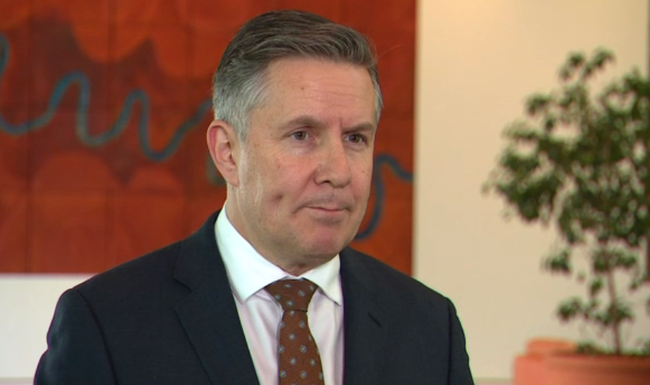
Federal Health Minister Mark Butler said the treatment had already transformed the lives of people living with chronic migraine.
“We know how effective this medicine is,” Mr Butler told 7NEWS.
“We’ve seen it for people with that very high frequency of migraines every month.”


High frequency episodic migraine can involve severe headaches, nausea and sensitivity to light and sound, often disrupting work, study and daily life.
For Canberra woman Elise Bailey, migraines have been a constant battle since childhood.
“Without any treatment I have a near constant migraine. I don’t really have any downtime where I don’t have a migraine,” she told 7NEWS.
Bailey found the best results came from combining monthly Emgality injections with Botox treatments every three months.
“The combination was the best treatment I’ve ever had.”
But the cost eventually became unsustainable.
“So I had to make a choice, sort of one or the other,” she said.
“Ultimately we decided to go with the Botox and leave the Emgality for the moment, which has been hard.
“It does leave me with a lot of migraine days during the month.”

While welcoming the PBS expansion, Bailey believes more support is still needed for people who require multiple treatments.
“I’m really, really happy that more people are getting access to this treatment,” she said.
“There is a little bit more work to be done for people in situations like me who need just a little bit more help.”
Migraine Headache Australia lead Carl Cincinato said affordability remained one of the biggest barriers facing patients.
“For people with migraine, it’s often not whether the treatment exists. It’s whether they can afford to start and stay on it,” he said.
He described the PBS expansion as an important step, but said significant challenges remain.
“Many Australians still face delays, eligibility hurdles, out-of-pocket costs, and challenges reaching a headache specialist.”


